Associations, societies, and industry events





Your members did not come to be sold to. They came to leave the room able to do something.
A corporate keynote can end with a recommendation. An association keynote cannot, and that constraint is the whole craft of it.
When I speak inside a firm, everyone in the room shares a P&L, a strategy, and a boss. I can say do this. When I speak at your annual meeting, the room contains sole practitioners and two-thousand-person firms, direct competitors sitting at the same table, volunteer leadership who fought over the agenda, and sponsors along the back wall who sell to everyone present. Telling that room what to buy would be useless at best and damaging to you at worst.
So the job changes. An association keynote has to raise the floor for the whole profession without picking winners. It has to be specific enough that a small practice can act on Monday and honest enough that a large firm does not feel talked down to. And it has to leave your board able to say, credibly, that the association is helping members navigate this, which is usually the actual reason the session is on the program.
I do not sell software. I am not sponsored by a platform. I run a consulting firm and I do not pitch it from your stage. That neutrality is not a courtesy, it is the reason the content lands: members can weigh what I say without first working out what I am selling.
The other thing that separates a good association session from a forgettable one is preparation. Your recent member survey almost always tells me more about what the room needs than any brief could. So does a thirty-minute call with two or three of your members. That is where the examples come from, and it is why the audience recognizes itself in the talk instead of politely watching a presentation.
The fastest way to know whether he is right for your room.
Associations, societies, and industry events
Each talk is rebuilt around your members and your program. These are the starting points.
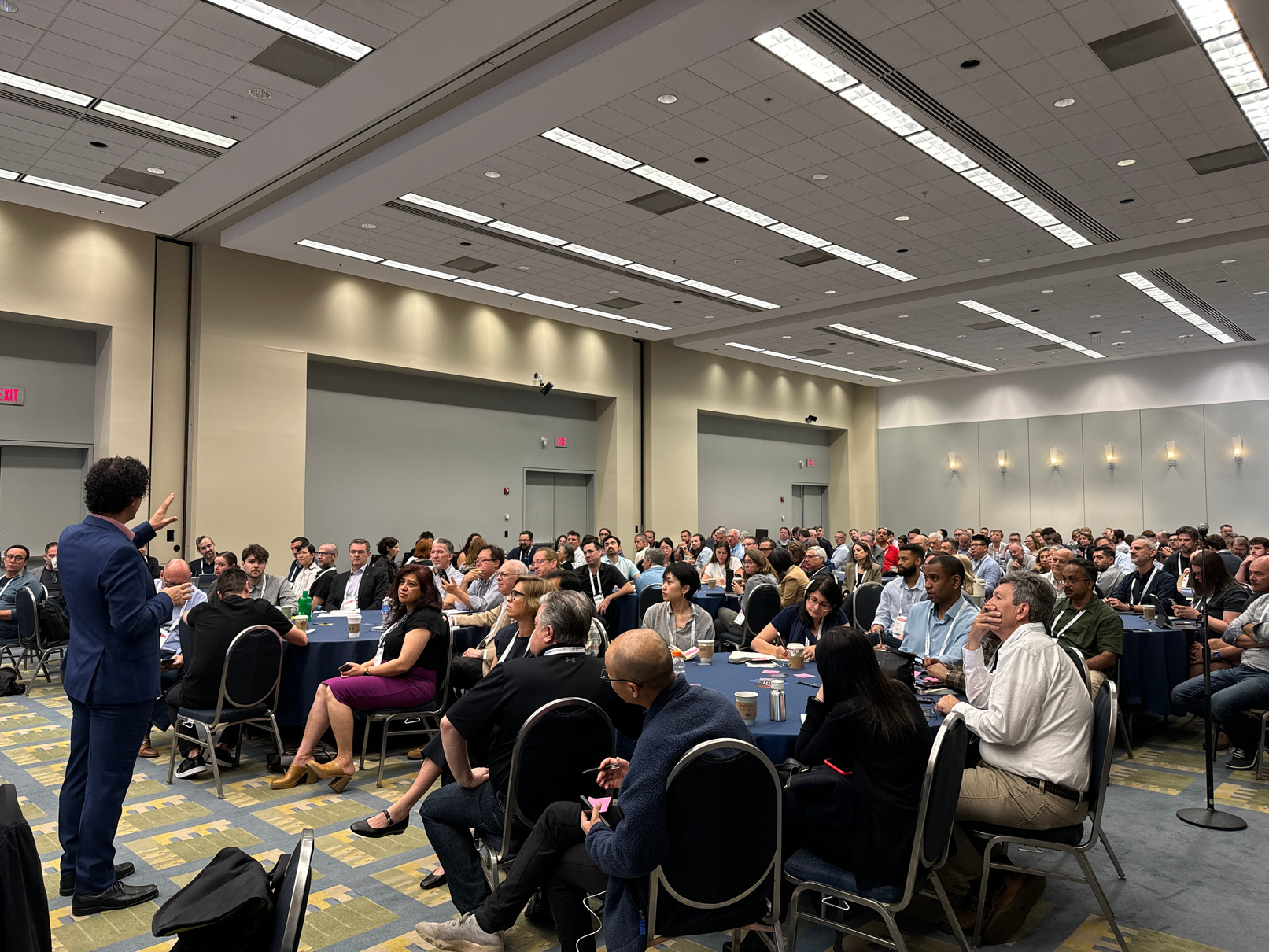
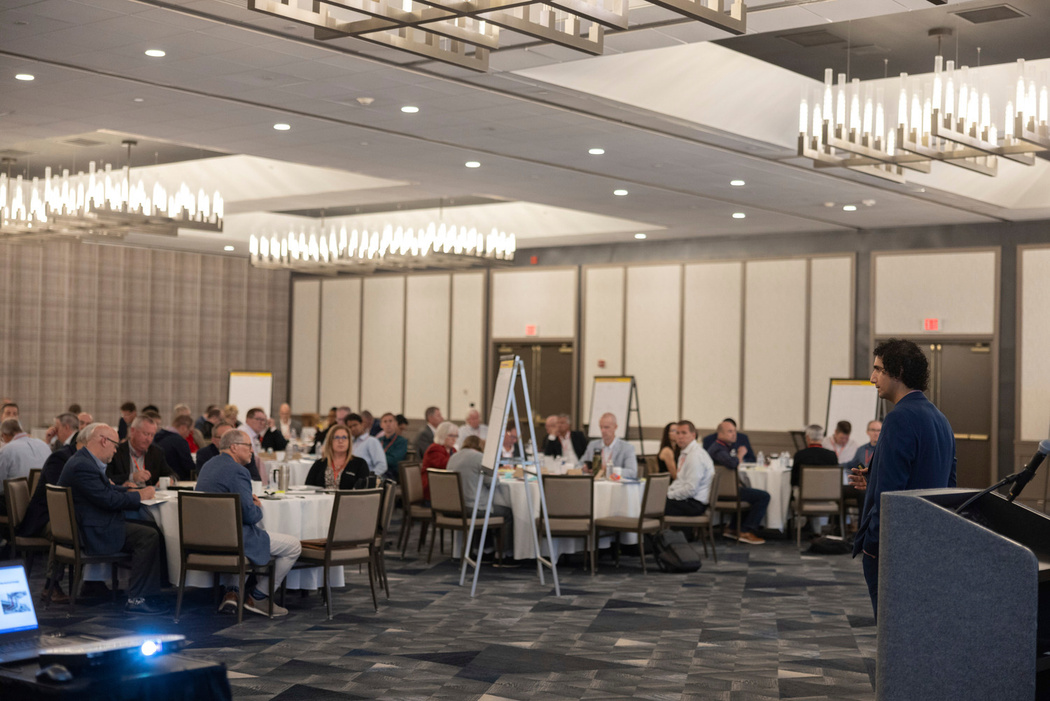
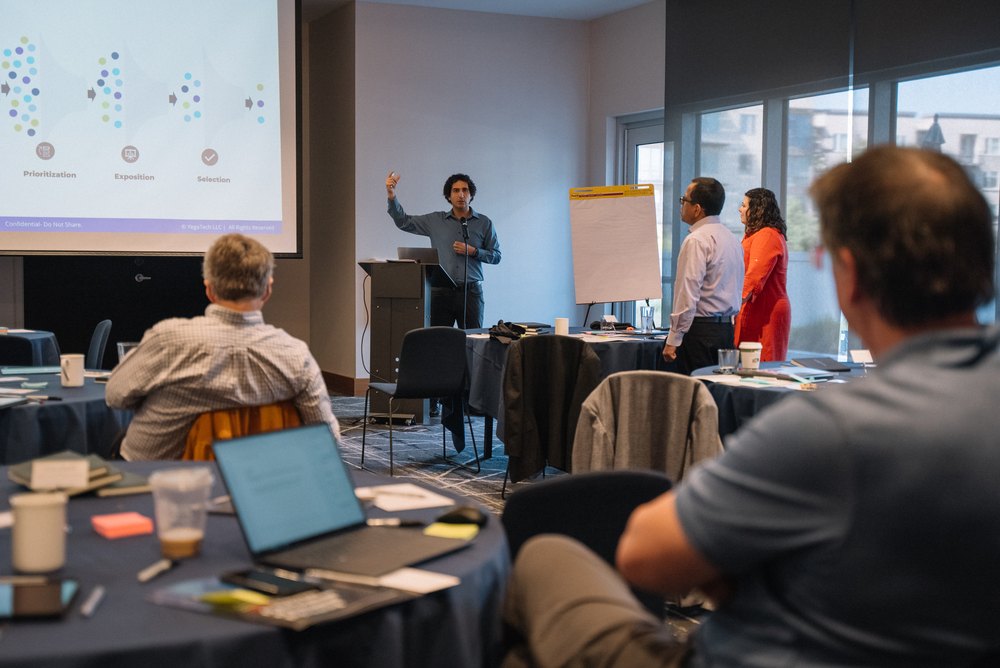
Not every need is a general session. These are the formats that come up most.
Opening or closing general session, built around your theme and your board's stated priorities for the year.
A national keynote followed by regional chapter sessions, priced as one program rather than separate bookings.
A sequence across the year that builds instead of repeating, so members have a reason to come back.
A working session on what AI means for the profession, for member services, and for how the association itself operates.
A multi-session program designed with your staff, drawing on the AI summits we run at YegaTech.
The Disruptors Circle model, in which executives from different member firms compare what is actually working.
“A transformative experience that left our audience deeply inspired and ready to act. Easily one of the most engaging keynotes we’ve ever hosted.”

“Dr. Mehdi’s keynote was a highlight of our conference, insightful, interactive, and packed with actionable intelligence.”

“Dr. Mehdi helped attendees visualize real AI strategies with clarity and relevance. The feedback was overwhelmingly positive.”

Yes, and this matters more to associations than to any other client. I do not sell software and I am not sponsored by a platform. I run a consulting firm, YegaTech, and I do not pitch it from your stage. Members hear what the profession should think about, not what anyone should buy.
That mixed room is the normal case for an association keynote, and it is what the talk is designed around. The framing stays at the level of the profession, which everyone shares, and the examples are layered so a two-person practice and a two-thousand-person firm each hear something they can act on. Where it helps, I split the specifics into a follow-on breakout rather than forcing them into the general session.
Associations typically register the session themselves. I provide learning objectives, a session outline, my credentials, and a description in whatever format your accrediting body requires, well ahead of your submission deadline.
Yes. Common patterns are a national keynote followed by a small set of regional chapter sessions, or a webinar series that runs across a year and builds rather than repeats. Multi-event programs are priced as a program rather than as separate bookings.
Carefully. Sponsors are usually technology vendors, and a keynote that either flatters or attacks them creates a problem for your staff. I talk about categories of capability and the decisions members face, not about named products, which keeps the session useful to members and comfortable for your partners.
Yes, and it makes a large difference. I ask for your recent member survey results or your board's stated priorities, and I will speak with two or three members directly. Those conversations are where the examples come from, and they are the reason the room recognizes itself in the talk.
Association annual meetings usually plan nine to eighteen months out, and booking in that window gives the most flexibility. Chapter events and webinars often come together in weeks, and those are frequently still workable.
Fees depend on format, travel, and whether the engagement is a single keynote or a multi-event program. Associations and non-profits are quoted differently from corporate bookings, and multi-event programs are priced as a package. Fees are available on request through the booking page.
Yes. I have spoken on four continents, including for associations in Latin America and the Middle East, and international engagements are quoted with travel included.
I hold a PhD from Georgia Tech and 8 U.S. patents at the intersection of AI, building design, and manufacturing, earned while leading AI research at Autodesk. I wrote Augment It and Disrupt It for practitioners, not for a general business audience.
Today I run YegaTech, where we help firms build AI strategy, governance, and execution plans, and where we host AI summits and the Disruptors Circle, a peer group in which executives from different firms compare what is actually working. That work is why the examples on stage are current rather than borrowed.
If your members are primarily in design and construction, the AEC keynote page goes deeper on that audience. For members designing products, components, and the plants that make them, see manufacturing and automotive. For a mixed engineering membership across disciplines, the engineering page is the front door.
Tell me who your members are and what your board wants them to leave with. I reply personally, usually within two business days.
Check Availability View the Speaker Kit