Selected AEC clients, firms, and industry events













An AI keynote built around how AEC firms actually design, build, manage risk, and make money. Not a generic tech talk with construction examples added.
Selected AEC clients, firms, and industry events
The fastest way to know whether he is right for your room.
I have watched AI keynotes land badly in front of a room of principals, and it is almost always the same reason. The talk was polished. It was just written for somebody else, and your audience can tell within five minutes.
That means moving past definitions and demos. The useful questions are about what AI changes in the way AEC firms design, deliver, price, manage risk, develop talent, and make decisions.
Who carries the liability when an AI-assisted drawing gets stamped? What happens to a fee-based business model when work that once justified the fee takes a fraction of the time? How does the leverage model change when junior tasks are automated first? Where does risk sit when a design-build team hands off a model nobody fully audited? And how does an AI pilot become standard practice instead of another experiment that quietly disappears?
Those are not primarily technology questions. They are business, risk, and leadership questions with technology inside them. Your audience deserves answers grounded in how AEC firms actually operate.
That is the perspective I bring to the stage: structural engineering and construction experience, years building and commercializing AI at Autodesk, 8 U.S. patents, two books written for AEC leaders, and current work with firms on AI strategy, governance, and execution. The credentials matter only because they let the conversation go deeper, faster.
When the examples feel like your audience's world, people stop asking whether AI is relevant and start asking what their own firm should do next. That is when a keynote actually does something.
Choose the conversation your audience needs. Every keynote is customized around your event, audience, and priorities.
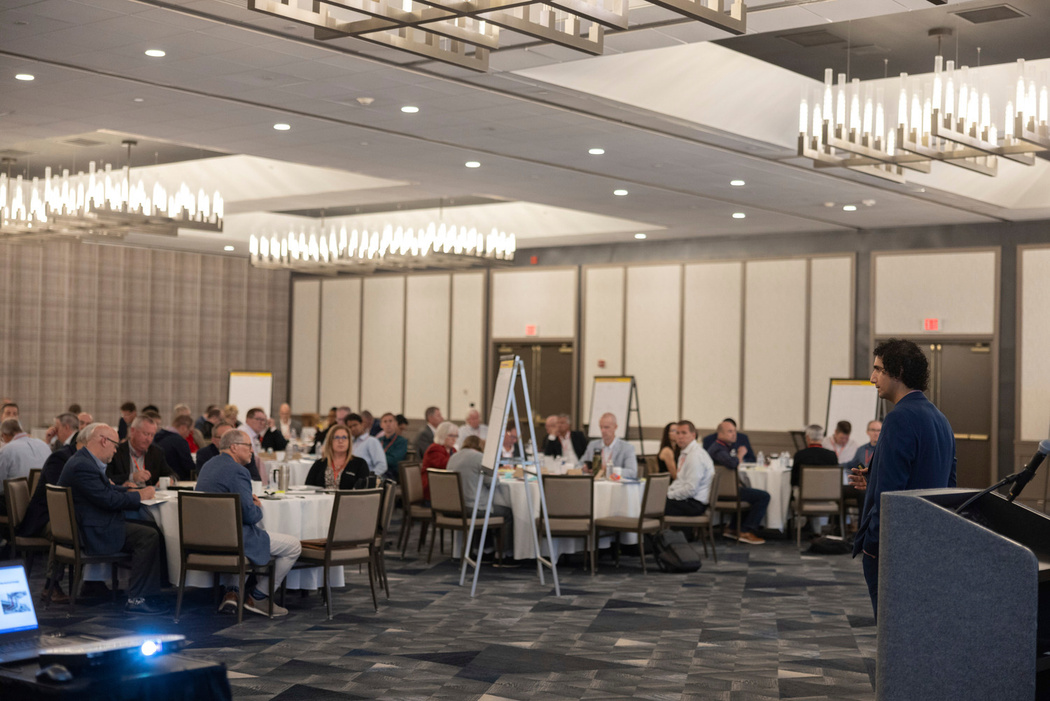
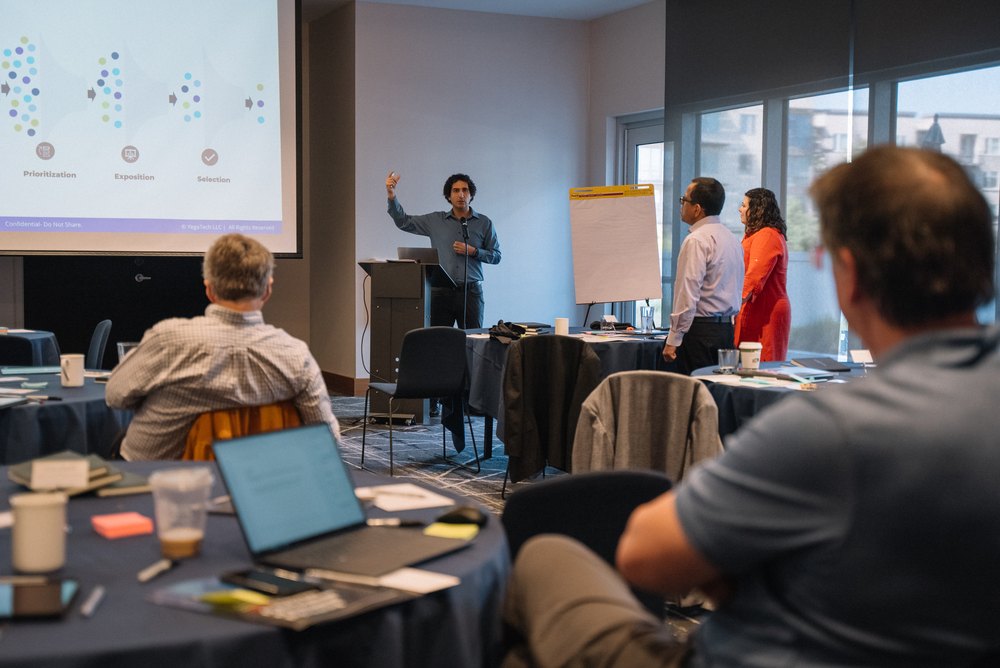
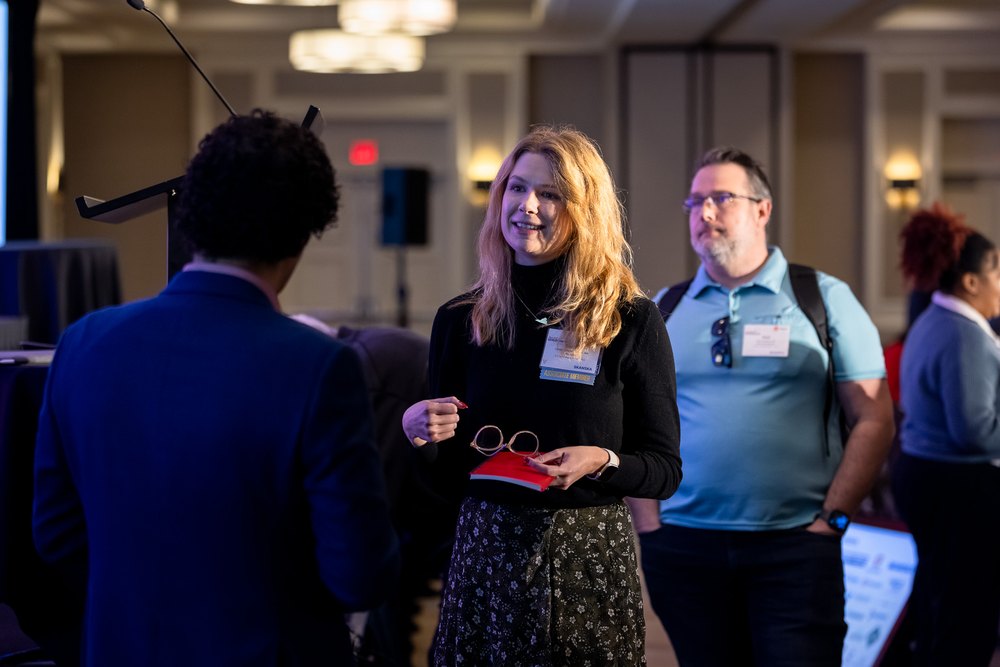
A keynote for a general contractor should not sound like one for an architecture firm. The emphasis changes with the room.
AI in preconstruction, estimating, scheduling, field operations, and project delivery, where thin margins and schedule risk shape every decision.
AI in design workflows, fees, staffing models, and the path from graduate to principal.
AI in analysis, documentation, QA/QC, and the professional liability behind every AI-assisted deliverable.
How AI changes capital planning, asset performance, and what owners should expect from design and construction partners.
AI adoption, procurement, standards, workforce, and governance under public accountability.
A profession-wide view of AI for association conferences, annual meetings, and chapter events, focused on what the industry should do next, not what one firm should buy.
“Dr. Mehdi’s keynote was a highlight of our conference, insightful, interactive, and packed with actionable intelligence.”

“A transformative experience that left our audience deeply inspired and ready to act. Easily one of the most engaging keynotes we’ve ever hosted.”

“Dr. Mehdi made AI not just approachable, but directly actionable for our teams across the globe.”
“His keynote sparked meaningful conversations and gave our leadership clear direction for the future.”
“A perfect balance of depth and clarity. Dr. Mehdi kept our senior leadership fully engaged and inspired.”

“Dr. Mehdi helped attendees visualize real AI strategies with clarity and relevance. The feedback was overwhelmingly positive.”
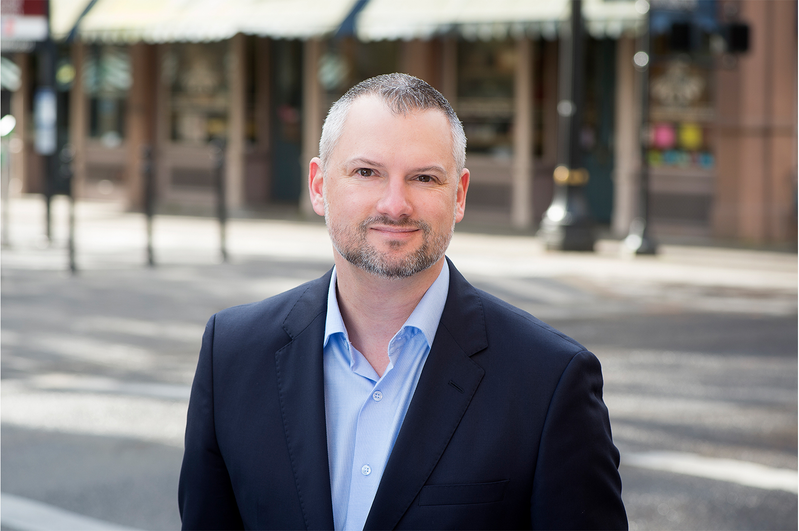
This background is not here as a resume. It matters because it shapes what your audience hears: examples grounded in design, construction, software, AI product development, and the realities of getting new technology adopted inside AEC firms.
If your audience is outside AEC, explore the manufacturing and automotive, engineering, or trade and professional association pages for a version built around those industries.
Want to see the thinking before you book? Explore the blog, or use the AI Readiness Assessment to see where your organization stands today.
An AI keynote for AEC connects AI to the business model, workflows, risk, and professional responsibilities of architecture, engineering, and construction. Instead of stopping at tools and demos, it addresses questions such as AI-assisted design liability, changing fee economics, workforce development, project delivery, governance, and how firms move from pilots to standard practice.
General contractors, architecture firms, engineering firms, owners and developers, infrastructure and public agencies, and AEC industry associations. The examples and emphasis change for each audience so the keynote reflects how that part of the industry actually works. Past engagements include AIA, ACEC, PSMJ Resources, AECIT Leaders, Perkins & Will, Mortenson, TYLin, and Schemmer Associates.
Yes. Every keynote is customized around who is in the room, your strategic priorities, and what you want people ready to do afterward. Before the event, I review your program, hold a discovery call, and when useful speak directly with two or three leaders or members so the examples are recognizable.
Yes. Association annual meetings and chapter events are among my most common engagements. For AIA, ACEC, and other professional associations, the keynote is usually weighted toward what the profession as a whole should do next rather than what any single firm should buy.
Fees vary by format, location, travel, and whether the engagement includes a workshop or advisory session. Speaking fees are available on request through the booking page.
Yes. Virtual and hybrid AI keynotes are available for AEC teams and conferences. They use shorter segments and more interaction than the in-person version because a remote audience behaves differently from a ballroom.
Three to six months is typical for a conference keynote, and association annual meetings often plan farther ahead. Shorter timelines can still work, so it is worth checking availability even if your event is only a few weeks away.
For an in-person keynote, I typically use a lavalier or headset microphone, a confidence monitor, HDMI to a widescreen projector or LED wall, and the ability to play audio. I present from my own laptop and move on stage, so a handheld microphone is not ideal. Full technical requirements are in the speaker kit.
Yes. A keynote can be paired with an executive AI strategy session the same afternoon or a hands-on workshop for technology and operations teams the following morning. It is often the best way to turn the keynote conversation into decisions and next steps.
Tell me who will be in the room, what they are wrestling with, and what you want them ready to do when they leave. I'll shape the keynote around that and reply personally, usually within two business days.
Check Availability View the Speaker Kit